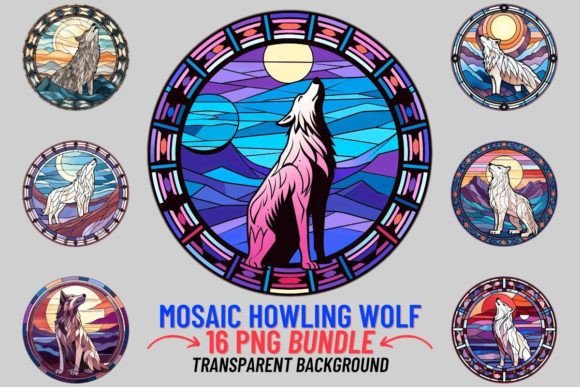
Stained Glass Howling Wolf Sublimation: A Designer's Guide
The intersection of digital artistry and tangible creation often requires assets that bridge the gap between high-resolution fidelity and emotional impact. The Stained Glass Howling Wolf Sublimation collection represents a specific niche of design assets where traditional artistic styles meet modern production capabilities. For designers, entrepreneurs, and content creators, understanding the technical and aesthetic utility of these 16 high-quality PNG files is essential for maximizing their value across various mediums.
Anatomy of the Asset: Visuals and Technical Specifications
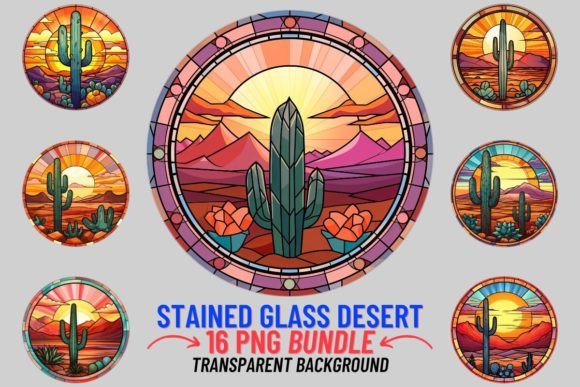
At its core, the Stained Glass Howling Wolf Sublimation collection is a set of rasterized images designed to mimic the intricate leading and vibrant color palettes of traditional stained glass artistry. These are not merely vector outlines; they are complex compositions featuring deep shadows, translucent color overlays, and the distinct "came" lines associated with leaded glass. The visual style leans heavily into a mystical, gothic aesthetic, often featuring a moonlit backdrop that enhances the silhouette of the wolf.
Technically, these files are optimized for high-fidelity output. The specifications are critical for professional use:
- Format: PNG with transparent backgrounds. This allows for seamless layering in software like Adobe Photoshop, Illustrator, or Canva without the need for complex masking or clipping paths.
- Resolution: 300 DPI (dots per inch). This is the industry standard for print, ensuring that the image remains sharp and pixel-perfect when reproduced physically.
- Dimensions: 4096x4096 pixels, scaling up to 13x13 inches. This large canvas size makes the assets versatile for both web design (where they can be scaled down) and print-on-demand (POD) products.
The "sublimation" aspect of the naming convention indicates that these images are specifically color-corrected for the dye-sublimation printing process, where heat transfers ink onto materials like polyester fabric, ceramic, or metal. The saturation levels are calibrated to pop on these surfaces without appearing muddy or washed out.
Strategic Applications: Beyond the Digital Canvas
While the files function as design assets for digital projects, their true strength lies in their versatility across commercial and personal mediums. The style of the Stained Glass Howling Wolf Sublimation art dictates where it should be applied to maintain brand consistency and visual hierarchy.
Apparel and Merchandise
The most direct application is in the apparel market. The high-contrast nature of stained glass designs translates exceptionally well to dark fabrics. For small business owners running print-on-demand stores, these files serve as ready-to-use graphics for t-shirts, hoodies, and tote bags. The transparent background allows for easy placement on pre-made mockups. Because the style is distinct, it helps in creating a cohesive brand identity for stores focusing on pagan, nature, or fantasy niches.
Home Decor and Wall Art
In the realm of interior design and packaging design, these assets function as premium font-style focal points—meaning they act as the primary visual anchor rather than supporting text. They are ideal for wall art prints, throw pillows, and blankets. The intricate detailing holds up well on large format printing, making them suitable for statement pieces in a living space.
Digital Content and Branding
For web design and social media graphics, the collection offers a way to break the monotony of standard stock photography. Bloggers and marketers can use these images as hero images, newsletter headers, or background textures for text overlays. When used in editorial design, such as e-book covers or magazine features, the imagery instantly conveys a sense of mysticism and depth. It acts as a visual shorthand for storytelling, setting a mood that words alone might struggle to achieve.
Design Integration and Visual Hierarchy
Incorporating a complex visual asset like the Stained Glass Howling Wolf Sublimation design into a project requires a strategic approach to visual hierarchy. Because the art style is busy and vibrant, it competes for attention. If paired with a highly decorative script font or handwritten font, the result can be chaotic and unreadable.
Typography Pairing
The most effective way to pair this specific style is with clean, legible typography. Consider the following approaches:
- Sans Serif Fonts: A modern, geometric sans serif font provides a clean counterpoint to the ornate details of the stained glass. This contrast creates a balanced composition, allowing the text to remain readable while the image provides the atmosphere.
- Modern Serif Fonts: If the goal is to evoke a classic, bookish feel, a sturdy serif font works well. However, avoid overly thin serifs that might get lost against the dark, textured background of the wolf design.
- Display Fonts: If the project requires a display font for a title, choose one with solid, bold letterforms. This ensures the text retains authority against the intricate "glass" texture.
In logo design, these assets should be used cautiously. While they can serve as a background element or a container for text, the complexity of the image might reduce the scalability of the logo at very small sizes, such as on business cards or favicons.
Evaluating Fit and Commercial Licensing
Before integrating the Stained Glass Howling Wolf Sublimation collection into a client project or a product line, creative professionals must evaluate the fit and usage rights.
Project Suitability
The "personality" of this asset is undeniably niche. It leans towards the dramatic, the spiritual, and the wild. It fits well with brands in the wellness, astrology, fantasy literature, or outdoor adventure sectors. It may not fit corporate environments, minimalist tech startups, or juvenile children's products. Conducting a mood board exercise before purchase is a practical step to ensure the asset aligns with the client's brand identity.
Testing and Prototyping
Because these are design assets intended for commercial font and art marketplaces, testing is non-negotiable. Before finalizing a product, print a sample on the intended material. Sublimation colors can shift depending on the substrate; what looks vibrant on a backlit monitor may look different on a cotton-poly blend or a ceramic mug. Utilize mockup generators to visualize the creative font and art combination in real-world scenarios.
Licensing Considerations
Most digital assets come with specific licensing terms. While the files are high-quality, the creator's terms usually dictate whether they can be used for "print-on-demand" (unlimited sales of a product using the image) or "end products" (a single client project). Publishers and entrepreneurs should read the fine print regarding mass production limits to avoid copyright infringement.
Conclusion
The Stained Glass Howling Wolf Sublimation collection is more than just clipart; it is a specialized tool for creating atmosphere. By respecting the technical specifications (300 DPI, transparent PNGs) and understanding the visual weight of the stained glass style, designers can effectively use these assets to elevate merchandise, digital media, and print publications. The key to success lies in thoughtful pairing, strategic placement, and a clear understanding of the target audience's aesthetic preferences.