Unlocking Security: The Power of Fingerprint Recognition Technology
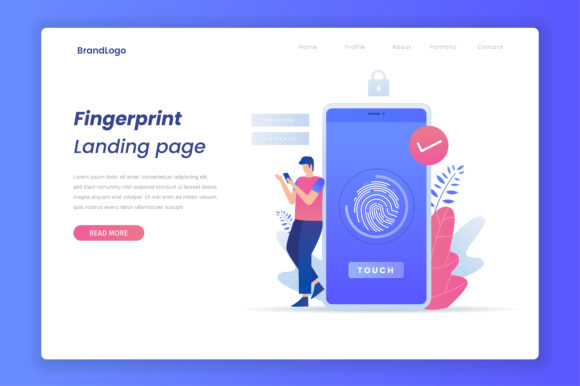
There is a unique satisfaction in the visual representation of security. When we look at the Fingerprint Recognition Technology vector concept, we aren't just seeing a digital image of a swirl; we are looking at a visual language that speaks to trust, identity, and the future. For designers, entrepreneurs, and content creators, this specific style of illustration—available in formats like AI, EPS, and SVG—is more than just a generic clip-art. It is a foundational building block for modern brand identity, particularly in the tech, security, and personal data sectors.
The Visual Language of Biometric Security
Understanding the aesthetic of Fingerprint Recognition Technology is the first step in using it effectively. Visually, these graphics are characterized by high-contrast lines, intricate curves, and a sense of precision. Unlike a handwritten font or a script font that conveys warmth and personality, the fingerprint vector speaks to logic, accuracy, and infallibility. The "personality" of this design asset is sleek, futuristic, and authoritative. It relies heavily on clean lines, often utilizing a sans serif font aesthetic in its structure—minimalist, geometric, and devoid of unnecessary ornamentation.
When you download a file package that includes an SVG file or an EPS file, you are investing in scalability. This is crucial for the modern creative professional. The intricate whorls of a fingerprint must remain crisp whether they are displayed on a massive billboard poster or a tiny favicon in a browser tab. The vector nature of these files ensures that the image quality remains consistent across all mediums, which is a non-negotiable requirement for professional logo design and web design. The visual appeal lies in its complexity; it mimics the biological uniqueness of the human user, making it a powerful symbol for user-centric design.
Strategic Applications for Designers and Brands
For the entrepreneur or small business owner, the application of Fingerprint Recognition Technology assets extends far beyond a literal representation of a thumb scanner. It is about signaling a specific set of values to your audience. If you are developing a mobile application, integrating these vectors into your UI/UX design immediately communicates that the user's data is protected. It serves as a visual shorthand for "security" and "privacy."
In the realm of editorial design and publishing, these graphics work exceptionally well as background textures or hero images for articles discussing cybersecurity, personal privacy, or the Internet of Things. Because the package includes transparent PNG files, overlaying these fingerprints onto existing photography or color palettes is seamless. You can adjust the opacity to create a subtle, sophisticated background texture for a landing page, or you can use the high-contrast JPEG version for a bold statement on social media graphics.
Consider the versatility in packaging design. For a product that emphasizes organic ingredients or verified authenticity, a subtle fingerprint watermark on the label can elevate the perceived value of the product. It moves the brand identity away from generic marketing and toward a narrative of verification. Similarly, for crafters and hobbyists creating custom decals or apparel, the SVG file is particularly valuable. It allows for easy manipulation in cutting software like Cricut or Silhouette, enabling the creation of intricate vinyl designs that maintain their structural integrity during the cutting process.
Influence on Brand Perception and Engagement
Choosing to incorporate Fingerprint Recognition Technology imagery into your creative projects has a psychological impact on your audience. In modern typography and design, the interplay between text and image is vital. A fingerprint graphic creates a strong focal point. It draws the eye immediately, which is a powerful tool for visual hierarchy. When paired with a bold, premium font—perhaps a geometric sans serif or a sturdy slab serif—the combination creates a layout that feels grounded and reliable.
For marketers, this visual element can significantly boost engagement. In a digital landscape cluttered with noise, the intricate patterns of a fingerprint are naturally captivating. They invite the viewer to look closer. This is particularly effective in web design for call-to-action sections. Placing a "Sign Up" or "Secure Your Account" button adjacent to a stylized fingerprint vector can subconsciously encourage the user to take action, associating the button with the security the image implies.
Furthermore, consistency is key to brand recognition. By utilizing the different file formats provided, you can maintain a cohesive look across all platforms. Use the AI file for your print collateral—business cards, letterheads, and brochures—to ensure the lines are razor-sharp. Use the PNG file for your email marketing headers and social media posts. This adaptability ensures that your brand identity remains professional regardless of where the customer encounters it. It prevents the "pixelation" effect that often plagues lower-quality design assets, preserving the professionalism of your brand.
Practical Guidance for Implementation
When working with these assets, it is important to treat them as you would a creative font. Just as you wouldn't pair a whimsical handwritten font with a serious legal document, you should be mindful of context. The Fingerprint Recognition Technology vector is inherently technical. It pairs best with typefaces that share that technical precision. A serif font with sharp terminals can work well for a "classic security" vibe, while a monospaced typeface can lean into a "hacker" or "coding" aesthetic.
Here are a few practical recommendations for integrating these assets:
- Color Theory: While these vectors often look striking in black and white, don't be afraid to apply brand colors. A neon green or electric blue fingerprint on a dark background creates an immediate "cyber" feel suitable for gaming or tech blogs.
- Opacity and Layering: For packaging design or posters, try using the fingerprint at a very low opacity (10-20%) as a background texture. This adds depth without overwhelming the main typography.
- Negative Space: Use the negative space within the swirls of the fingerprint to house text or logos. This is an advanced technique but creates a highly memorable logo design.
- Format Selection: Always start with the vector files (AI or EPS) for any resizing needs. Only export to JPEG or PNG when you are ready for the final output to prevent quality loss.
Ultimately, the value of this asset lies in its ability to bridge the gap between biological identity and digital interface. Whether you are a blogger writing about data privacy, a developer building a secure login screen, or a designer creating a poster for a cybersecurity conference, this vector concept provides a ready-made visual solution. It saves time, ensures quality, and instantly communicates a message of safety and modernity. By treating this graphic not just as a picture, but as a strategic element of your design assets library, you can elevate your projects from simple designs to trusted digital experiences.